Silence and Dashi: Inside Kyoto’s Heritage Tea Residences
Exploring the subtle harmony where shadow, seasoned kelp broth, and cedar craftsmanship create timeless culinary contemplation.
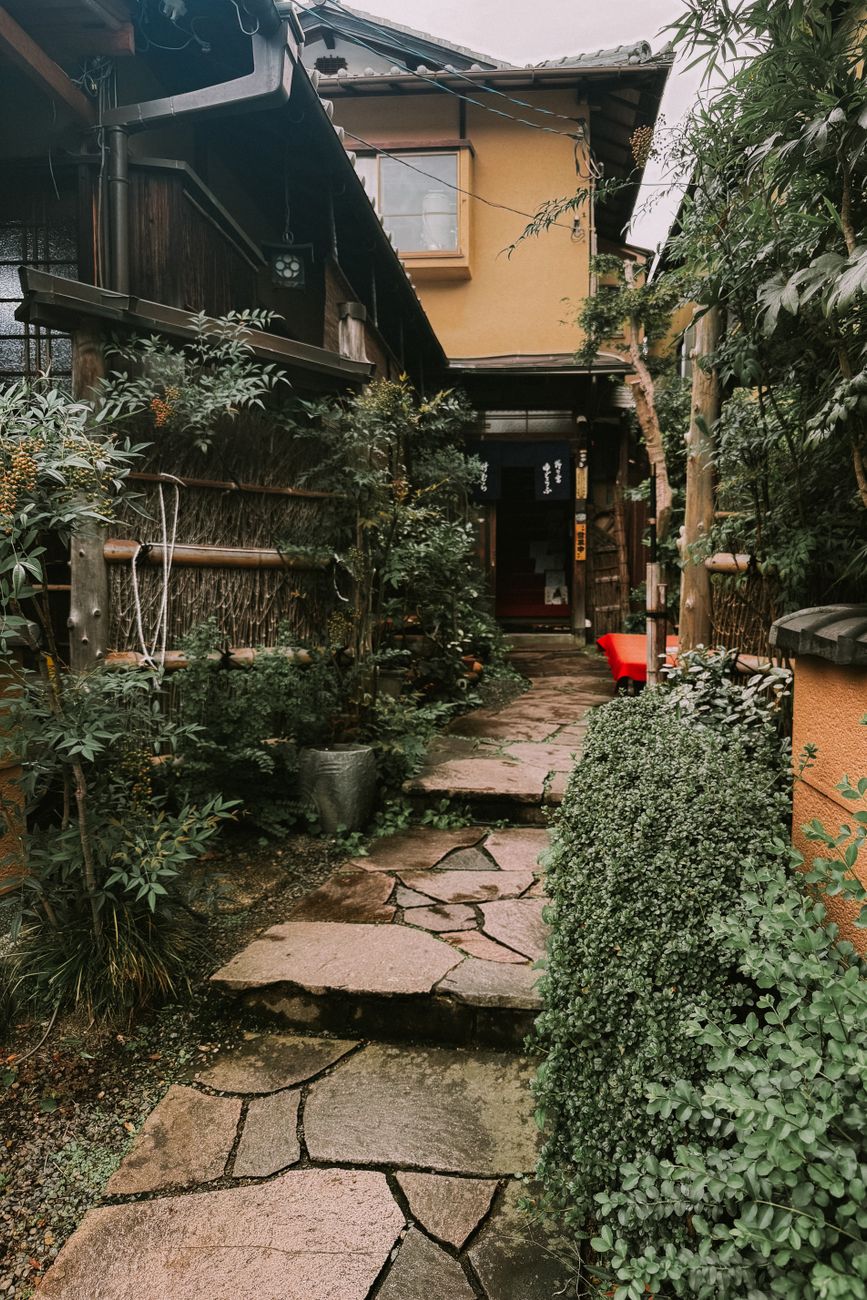
Shadow and Timber. Step across the threshold of a centuries-old machiya in eastern Kyoto, and daylight softens through paper shoji screens into a warm, monochromatic amber. Jun’ichirō Tanizaki’s treatise *In Praise of Shadows* comes alive: lacquerware is deliberately darkened so that gold leaf gleams only under the flicker of quiet candlelight.
"Flavor begins before the vessel touches your lips. It begins with the sound of raked gravel and sliding cedar partitions."
The Simplicity of Dashi. At the core of Kyoto’s refined Kaiseki cuisine lies broth brewed from aged kombu harvested in Hokkaido and shaved katsuobushi. There is no cream, no heavy butter, and no ostentation. The broth whispers umami—an ephemeral warmth that awakens the palate to winter turnip, wild sea bream, and mountain mushroom.
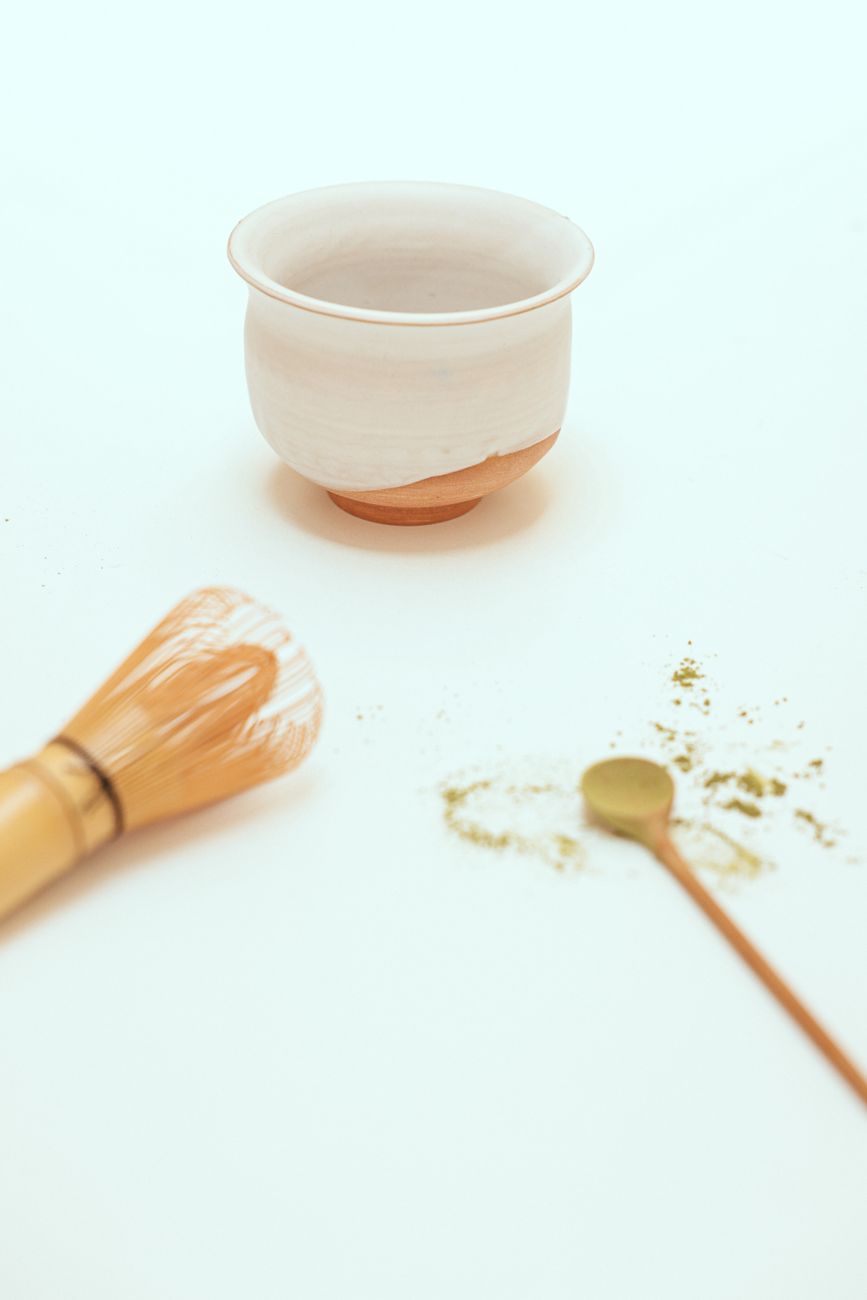 A handmade chawan resting upon woven rush tatami matting.
The Tea Ritual as Anchor. The four principles of the tea ceremony—Harmony (wa), Respect (kei), Purity (sei), and Tranquility (jaku)—serve as a compass for mindful travel. When sitting in a four-and-a-half mat room, all social hierarchy dissolves; guests enter through a humble low crawl-in entrance (nijiriguchi) intended to equalize king and commoner alike.
Experience Japan's Quiet Culinary Traditions
111111 arranges access to historic tea houses and private culinary workshops throughout Kyoto and Kanazawa.
Inquire About Japanese Stays